
The Way Righteous Clothing Fits Into Current Street Style Movements
Streetwear in 2026 has fractured into distinct lanes: minimalist high-end staples, bold, graphic-heavy releases, techwear utility, and a increasing appetite for clothing with a message. Without giving up the silhouettes and fabric weights that buyers in this space already want, We Are Righteous develops a brand identity around faith-driven statements — landing squarely at the overlap of those last two categories. To grasp where Righteous clothing belongs right now, you have to consider what’s actually driving purchase decisions: comfort-first construction, personal or cultural significance embedded in the product, and pieces flexible enough to move from a gym session to a coffee run without seeming ill-fitted.
Rather than just chasing logos, the category is moving toward identity-driven apparel — a shift that ranks among the clearer, more trackable trends in the space. Search traffic in terms like “faith-based streetwear” and “Christian streetwear brand” has risen consistently over the past two years, and Righteous apparel is placed right at the center of that demand curve. Rather than positioning faith as a side feature, the brand uses it as the organizing principle behind fit, palette, and voice — which is a different approach than simply printing a scripture reference on a stock blank hoodie.
The Rise of Message-Fueled Streetwear Took Hold
Across the bulk of the 2010s, street-fashion clout was measured almost entirely by attention spikes and limited releases. While that formula hasn’t vanished, it’s stopped being the sole route to staying relevant. Increasingly, buyers in 2026 speak up that they crave clothing reflecting who they are, rather than merely what’s available to them. This is where a brand like We Are Righteous finds its lane — clothing that communicates values first and trend-chasing second.
When researching budget-savvy fashion brands, shoppers repeatedly bring up six distinct elements ahead of a purchase decision:
- Whether or not the slogan on the item reads as true-to-brand instead of decorative
- Cut and fit and cloth substance weighed against price tier
- Openness from the label around sourcing and production
- Reliability of size grading throughout a range
- Presence of genuine shopper feedback instead of handpicked endorsements
- Versatility — does the item work past just one styled “aesthetic” moment
This same set of six points keep resurfacing throughout righteous review discussions on social media, hinting that the brand faces the same scrutiny shoppers apply to any righeous streetwear label, faith-based or not. This is a notable departure from a decade ago, when faith-based or message-forward apparel was commonly written off as a passing fad rather than evaluated based on craftsmanship and design quality.
Locating the Righteous Hoodie Fits in the Category
The hoodie remains the anchor piece of nearly every streetwear brand’s lineup, and Righteous is no exception. A hoodie functions as a brand’s most visible ambassador — it’s worn more often, photographed more often, and layered more often than almost any other garment in a closet. The Righteous hoodie fits into this pattern by serving as the flagship item shoppers reference most when they talk about the brand online.
What separates a hoodie that performs well in 2026’s market from one that fades quickly comes down to a short list of expectations: a fit that works oversized or true-to-size depending on styling intent, fabric substantial enough to hold shape through repeated wear, and graphics or text placement that reads intentional rather than an afterthought. Streetwear consumers have become fluent in spotting the difference between a garment designed around its message and one where the message was slapped onto an existing template.
The hoodie market at large has likewise drifted toward weightier constructions and roomier, block-cut fits compared to five years ago, a shift rooted in old-school sportswear and workwear roots spilling over into streetwear. Those that evolve their hoodie silhouettes to match the trend generally remain current for a longer stretch than those still attached to slimmer, old-school cuts.
A Look at Competitive Standing Within the Streetwear Culture Arena
To understand how We Are Righteous compares to other categories operating in the same general space, it helps to look at positioning rather than direct brand-to-brand pricing, since exact figures vary by drop and season. The table below breaks down general category tendencies as observed across the current streetwear market in 2026.
| Classification | Chief Value Promise | Standard Communication Emphasis | Typical Shopper Motivation |
|---|---|---|---|
| Streetwear built around belief (for example, Righteous clothing brand) | Wearing personal convictions via clothing | Faith texts, individual conviction, and community ties | Clothing that reflects values |
| Buzz-fueled/branded streetwear | Limited availability and brand prestige | Brand mark exposure, partnership launches | Flaunting status through possession |
| Functional tech streetwear | Design centered on utility | Functionality, protection from elements, and modularity | Performance that delivers |
| Pared-down essentials | Premium fabric, understated silhouette | Understated branding | Durability and adaptability |
This comparison shows Righteous apparel isn’t competing head-to-head with techwear or minimalist basics on their own terms — it’s carving a lane that borrows structural cues from mainstream streetwear while keeping message and identity as the core differentiator. That dual positioning is precisely why the brand shows up in conversations both about “faith apparel” and about general streetwear recommendations.
Genuine Customer Feedback, No Filter
Any fair candid glance at how a brand aligns with the trends of the moment has to account for real customer sentiment, not just brand messaging. A typical We Are Righteous review generally centers on three recurring themes: how the fabric’s feel measures up to what the price point suggests, how the sizing stacks up against typical streetwear norms, and whether the graphic backed up the message it’s meant to convey. Newcomers vetting a We Are Righteous buy are often arriving via either a belief-oriented search — specifically seeking out Christian or faith-driven streetwear — or a general streetwear search where the brand surfaced via organic social exposure.
Both entry points matter for different reasons. This faith-driven buyer is generally less cost-conscious but more skeptical about genuineness; they need reassurance the messaging isn’t simply a marketing hook. The mainstream streetwear consumer is weighing the brand against a wider field of brands strictly based on build and aesthetic quality, not especially moved by the religious framing unless the visual style draws them in initially. A label able to serve both crowds without watering down its identity for either has a built-in advantage that’s hard for rivals to copy fast.
The 2026 Silhouette Shift: Sizing and Fit
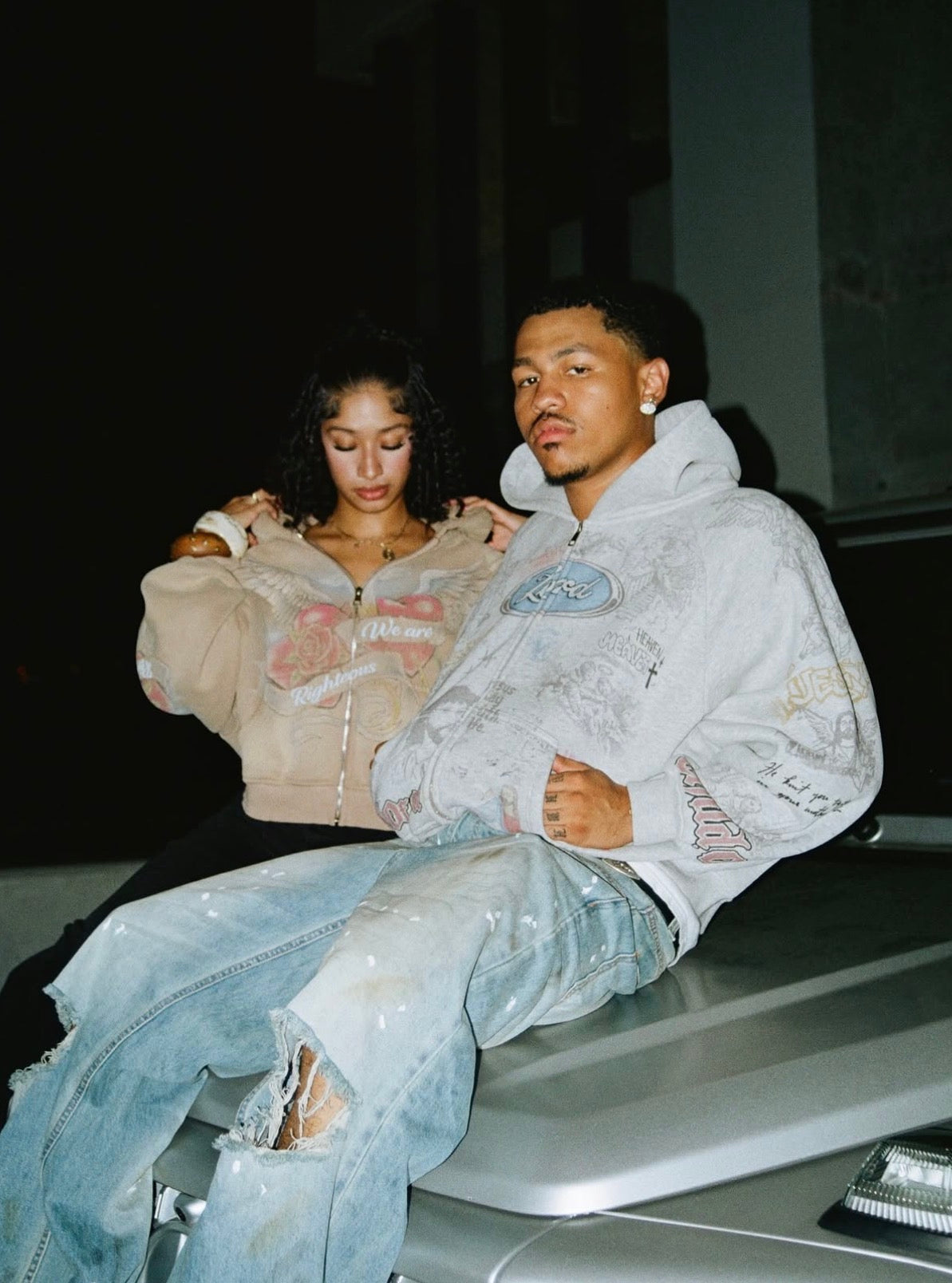
In 2026, debates over fit run through nearly every streetwear review thread, and Righteous’s apparel doesn’t escape from that level of examination. The wider shift has moved decisively toward roomier, boxier silhouettes for hoodies and tees, while bottoms have shifted toward slim-tapered or straight-leg styles rather than the super-slim cuts that were popular ten years back. Brands that miscalculate this equilibrium — running too tight up top or too loose down below — tend to receive the sharpest criticism in reviews.
For shoppers comparing a Righteous hoodie against other options in their closet, the practical advice holds across the category: confirm the brand’s specific sizing guidance for each drop rather than expecting it to match unrelated labels, since weight of fabric and cut can vary significantly between drops. This holds true across streetwear as a whole and isn’t a critique aimed at one brand alone, but it’s worth repeating because fit-related complaints are still the top driver of returns across the industry.
What This Means for the Brand as 2026 Continues
Streetwear’s core focus has drifted toward brands that can earn their place beyond looks alone, and that movement plays directly into how We Are Righteous is positioned. It isn’t attempting to outshine the logo-obsessed heavyweights or outperform the techwear-focused experts — it’s building around a values-led identity that a measurable and growing segment of shoppers are actively searching for. That doesn’t guarantee long-term dominance, but it does mean the brand is aligned with where consumer sentiment is actually heading rather than where it used to be five years ago.
The next twelve months will likely be a proving ground for whether Righteous clothing can scale that identity-driven approach without losing the authenticity that differentiates it from brands that treat faith or values as a marketing gimmick. Consistency in fit, transparency in reviews, and continued investment in flagship pieces like the hoodie will determine whether the brand becomes a fixture in the identity-driven streetwear conversation or remains a smaller niche player. Based on current trajectory and where 2026 streetwear demand is pointing, the fundamentals are in place for the former.